
Could replacing your septic tank be the smartest move for your home before a costly failure forces your hand? Many suburban and rural homeowners depend on septic systems, yet they often ignore septic tank replacement until a backup or soggy patch shows up. According to EPA and public-health guidance, the starting point is simply determining whether the property uses a septic system by looking for well water, the absence of a city water meter, or as-built plans from the seller or local health department.
Septic System Replacement Specialists
The septic tank is a buried, watertight container that separates solids from wastewater. Consistent septic tank maintenance through regular inspections and pumping can keep the system operating properly for years. Skipping these basics often turns a manageable repair into a full residential septic tank replacement, with much higher septic tank installation cost and disruption.
This guide outlines when replacement is necessary, what septic system installation options are available, and how to compare septic tank installation cost with long-term value. Good records of inspections, pumping, and repairs help protect your investment and can make future real estate transactions easier.
When It Is Time To Consider Septic Tank Replacement
Understanding when a septic tank should be replaced is important for both your property and the environment. Homeowners should watch for common warning signs and stay on a regular inspection schedule. Local health departments and septic tank experts advise quick action to avoid costly repairs and health risks.
Common Signs Of A Failing Septic System
Slow drainage, repeated backups, and gurgling sounds in the plumbing commonly signal that the system is under stress. Noticeable sewage odors indoors or outdoors can indicate leaks, vent problems, or both. Standing water or soggy soil over the drainfield, along with unusually green grass, also indicates that effluent may not be treated correctly.
Frequent need for pumping or visible tank damage, such as cracks or a collapsing lid, suggests replacement is needed. These signs should prompt immediate contact with septic tank experts for a thorough evaluation, not delayed repairs.
Inspection Triggers And Recommended Timelines
Inspectors typically use as-built plans, inspection caps, and pumping records when locating and evaluating tanks. Most septic systems should receive a professional inspection every three years. If the system has pumps, floats, or similar mechanical parts, annual checks are usually recommended.
Inspectors check sludge and scum levels to determine whether pumping or replacement is necessary. A tank usually needs pumping when scum reaches within 6 inches of the outlet tee or sludge is within 12 inches of the outlet. Use inspection results to determine whether to seek septic tank repair, partial work, or a full replacement by septic system replacement specialists.
Environmental And Public Health Considerations
A failing septic system can contaminate groundwater and nearby private wells. Pathogens from untreated sewage raise the risk of gastrointestinal illness and other diseases. Nutrient runoff also contributes to nitrate pollution and algal blooms in nearby waters.
Local health authorities may require repairs or replacement to protect public health. Homeowners who postpone replacement of a failing system may face hazardous exposure, lower property value, and complications during real estate transactions. When replacement is necessary, many choose to replace an old septic system in la or replace failing septic systems in la with guidance from licensed septic system replacement specialists and trusted septic tank repair teams.
| Visible Issue | Likely Cause | Recommended Action |
|---|---|---|
| Slow drains and gurgling | Partial blockage or full tank | Book an inspection and likely pumping through septic tank experts |
| Sewage smells inside or outside | Vent failure, pipe trouble, or a leaking tank | Immediate evaluation and focused septic tank repair |
| Soggy ground and unusually green patches | Drainfield saturation or failure | Evaluate drainfield and consider replace failing septic systems in la if damaged |
| Visible cracks or collapse | Tank structural failure | Replace an old septic system in la with licensed septic system replacement specialists |
| Constant pumping needs | Heavy solids buildup or poor maintenance | Reassess the maintenance plan and follow repair or replacement recommendations |
Septic Tank Replacement: Options, Systems, And Modern Choices
The right septic tank replacement plan starts with understanding the available options and building a strategy for the specific site. There is a wide range of choices, including minor upgrades and full system replacement. These can include rebuilding both the tank and the drainfield. Consulting septic system experts early is important because it helps match the system to the soil, the terrain, and applicable local regulations.
Common Types Of Replacement Solutions
Some situations only require modest upgrades like risers, baffles, or screens to extend the life of the system with limited disruption. For severe soil failure or extensive damage, complete replacements are necessary. This involves removing the old tank and installing a new drainfield sized for current household needs.
If standard trenches are not practical, alternative systems such as aerobic treatment units, sand filters, chamber systems, and constructed wetlands can provide effective treatment. These newer systems often rely on pumps, alarms, and control devices, so they require regular maintenance inspections.
Tank Types And Material Choices
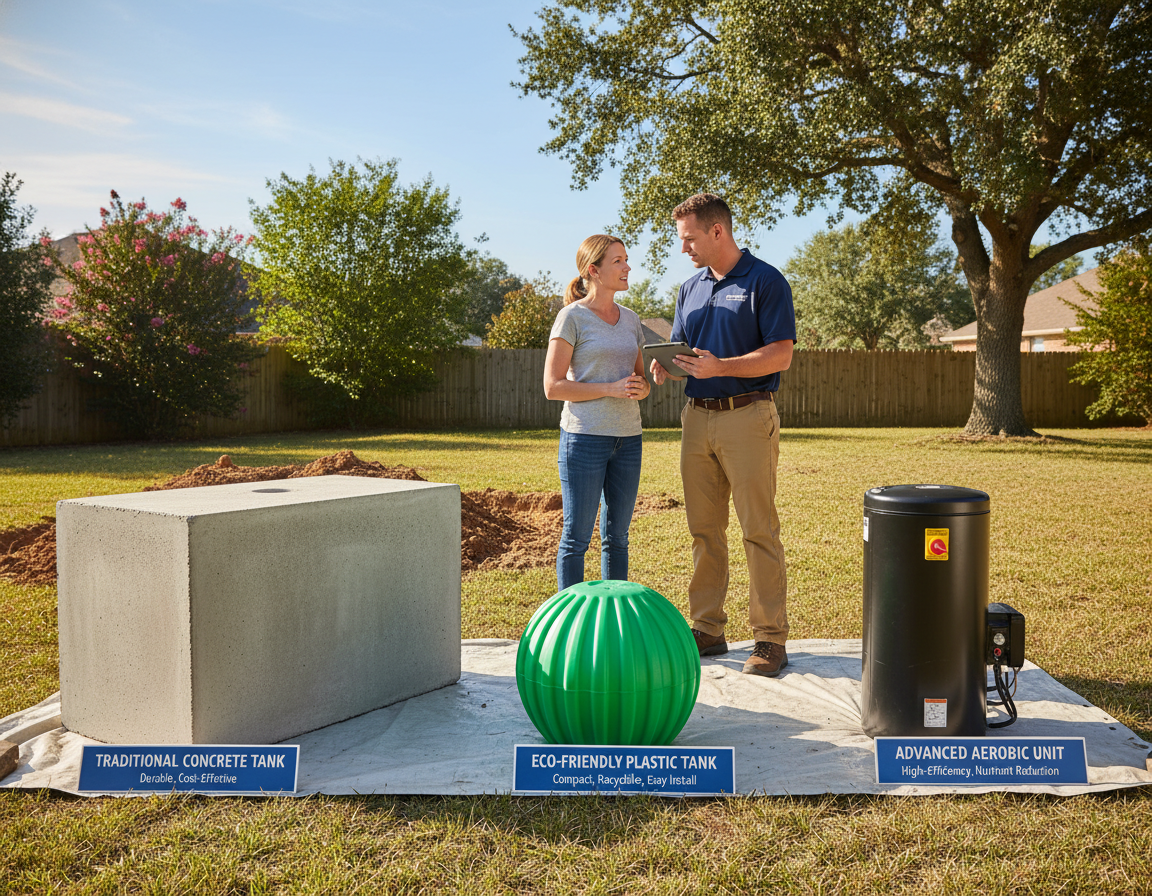
Concrete tanks are popular for their durability and longevity. Fiberglass and polyethylene tanks resist corrosion and are lighter, making them easier to install. Each material has advantages and drawbacks, because lightweight tanks can float in high groundwater while concrete may require heavier installation equipment.
Installing ground-level risers and inspection lids usually makes future maintenance easier and less expensive. These features are commonly included in full septic system replacements because they support long-term performance.
Important Site And Soil Considerations
Drainfield design depends heavily on soil percolation and groundwater depth. If the soil is sandy and drains well, standard leach lines may be appropriate. Clay soils or high water tables may require alternative treatment or mound systems to protect nearby wells and waterways.
Permit requirements often include setting aside a reserve area for the drainfield. Any septic system overhaul services should record the reserve area and remain in line with county health department regulations. Septic system experts with local regulatory experience can often speed up approvals and create a system design that better matches the property.
Budgeting And Cost Expectations For Septic Replacement
Septic replacement often feels overwhelming when cost expectations are not clear. Regular inspection and pumping help keep expenses low, but a complete replacement may still cost thousands or tens of thousands of dollars based on the site conditions and the type of system chosen.
Typical Cost Ranges And Factors That Affect Price
The material and size of the tank are major drivers of the base price. Concrete and polyethylene tanks differ in cost and lifespan. The design of the drainfield and the amount of soil work required can cause substantial cost variation.
Excavation, engineered media, or imported fill add labor and material costs. Site access also affects the quote. Narrow driveways or protected landscaping can increase the need for specialized equipment.
The overall price also increases when the design calls for electrical work for pumps or aerators, as well as a reserve drainfield area. Permitting fees, health-department reviews, and required inspections appear on most invoices.
Comparing Long-Term Value Versus Short-Term Repair
Repeated repairs often point to a bigger underlying problem. If the system is undersized or aging, replacement can often lower the need for future service visits and emergency work. A well-designed replacement commonly results in fewer failures and lower maintenance costs over time.
Homeowners should compare the initial septic system installation cost with the repair cycles they expect in the future. Very often, a modern system provides stronger long-term value than continuing to pay for repeated repairs.
Financing Options, Permits, And Incentives
Some municipal programs and local health departments offer grants or low-interest loans in certain cases. Those programs can sometimes support septic tank upgrade services los angeles and other local upgrades. Keeping inspection and pumping records can improve eligibility for this kind of assistance.
A realistic budget should include permitting fees plus contingency money for weather delays or unknown subsurface conditions. It is important to collect and compare estimates from reputable septic tank replacement companies. Seek affordable septic tank replacement services that offer clear scopes and itemized costs.
A short financing checklist can help: gather multiple bids, verify permit timelines, ask whether phased payments are available, and check for incentives. These steps help protect the budget during septic system installation and replacement work.
Hiring Professionals And Finding Replacement Specialists Near You
Finding the right team for a full septic system replacement takes a careful checklist. Check that the contractor carries the right license, proper insurance, and real permit experience. A skilled professional will assess the system, open access points, measure levels, inspect components, and provide a detailed report.
As you compare bids, pay close attention to the scope of work, excavation details, and the materials listed. Ask for a project timeline, cleanup expectations, and warranty details. Ask for references and examples of previous full system replacements so you can judge quality and after-install support.
Choosing Licensed Septic Replacement Contractors
A reliable contractor should have the required state and local licenses together with valid insurance coverage. Check whether the contractor manages permits and works directly with local health departments. The company should create service reports that document inspections, pumping, and repairs for future reference.
Comparing Septic Replacement Service Providers
Compare quotes for concrete, fiberglass, and polyethylene systems along with the associated drainfield options and excavation plans. Prioritize companies that provide a detailed cleanup plan and warranties covering both labor and materials.
Finding Local Providers And Emergency Options
In Los Angeles, use targeted search terms such as septic tank replacement near los angeles. Look for providers that offer emergency service and can respond rapidly to backups or surfacing sewage. Responding quickly is critical when health hazards and property damage are possible.
Local Example Of A Trusted Provider
In Los Angeles, Septic Services of LA is a trusted company that provides professional septic replacement services and upgrades. If you reach out, ask for inspection records, experience with full system replacement, and proof of licensing. Be sure to ask about insurance, local references, warranty coverage, post-install support, and whether emergency service is available.
How To Prepare For Replacement And Handle Post-Installation Care
Start by gathering as-built drawings, locating inspection ports, and identifying system components. That information helps contractors plan more effectively and avoid unnecessary surprises. If access is difficult, adding risers and clearing a path for heavy equipment can help. You should also protect landscaping and notify neighbors if easements or driveways may be affected.
Necessary permits from the county health department should be in place before work begins. You should also plan for temporary water-use restrictions during excavation. Most projects proceed through site evaluation, soil testing, permitting, excavation, tank installation, and final project steps. The schedule will vary depending on weather, soil, and unexpected subsurface conditions. Tank material should be selected with local code, site conditions, and available warranty coverage in mind.
Once installation is complete, establish a maintenance routine right away. Conventional systems are typically inspected every three years and pumped every three to five years, while alternative systems may require more frequent service. Keep records of inspections, pumpings, repairs, and permits. Be sure to review the contractor warranty and arrange any post-install inspection required by local authorities.
Long-term performance improves when homeowners adopt good septic tank maintenance habits. Save water, keep harmful materials out of the system, and prevent roof runoff or vehicle traffic from reaching the drainfield. It also helps to keep emergency service contacts handy and know which local providers can handle routine or urgent service. These steps reduce the risk of early failure and help make septic tank replacement a worthwhile long-term investment.
Related: Septic Tank Pump Out Near Me