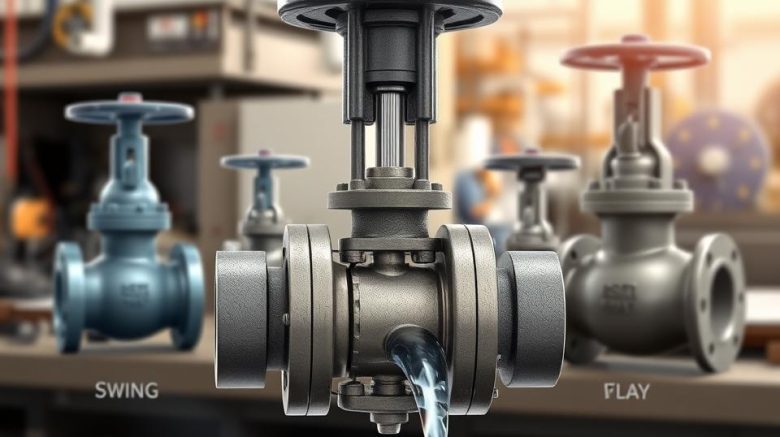
Your Comprehensive Double Ball Check Valve Guide
The double ball check valve is recognized as a high-performance solution for stopping reverse flows. It enhances the sealing reliability in various piping and pumping setups. With a two-ball design, it provides strong sealing performance that limits backflow. In addition, it helps shield pumps from damaging water hammer and surge pressures.
Functioning without manual input, ASSE 1032 allow flow in a single direction and then shut automatically to prevent reverse flow after the pump shuts down. Across municipal, water, wastewater, and industrial systems, picking the correct fluid control valve can result in notable energy savings. This is accomplished by keeping head loss low, which helps cut overall maintenance and energy costs. Overall cost of ownership factors in upfront purchase price, installation, long-term energy consumption, and maintenance, balanced with the valve’s effectiveness at safeguarding key equipment.
This guide offers an in-depth comparison of different check valve types and explains the construction and advantages of double ball valves. It supplies practical insights on how U.S. users can choose, install, and maintain these valves effectively. Future discussions will touch upon standards like ANSI and UPC, also highlighting options for small-line configurations. Terminology including 3/8 compression check valve, 3/8 barbed check valve, and ASSE 1032 will be discussed in more detail. Wholesale purchasers and distributors, including firms like Installation Parts Supply, are also covered in the sourcing-focused portion of this guide.
Core Points
- A double ball check valve enhances sealing and overall reliability when compared with many single-ball designs.
- Check valves help protect pumps and piping by blocking reverse flow and pressure surges.
- The choice of valve directly impacts energy consumption and total cost of ownership in water and industrial systems.
- In the U.S., standards like ANSI and UPC help govern valve sizing and performance.
- For low-flow applications, small-line choices like 3/8 barbed check valves and ASSE 1032 parts are frequently specified.
Understanding Check Valve Types and the Role of Double Ball Designs
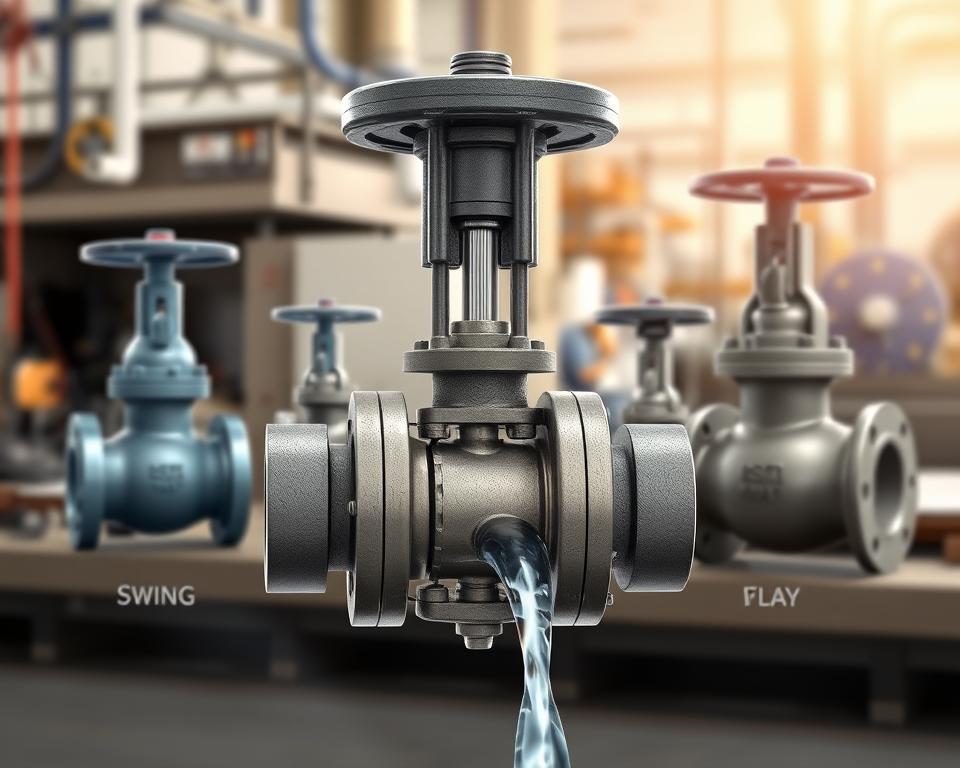
Check valves play a crucial role in stopping backflow in pumping systems. They fall into broad categories like lift, swing, and dashpot-assisted, with each type serving specific needs in water and wastewater management. A double ball configuration offers a compelling option, combining key features for efficient operation. This discussion aims to clarify how different check valves, including double ball designs, function in practice.
Overview of Common Check Valve Categories
You’ll find lift check valves in formats like ball checks, silent checks, and nozzle-type designs. These designs, known for simplicity and cost-effectiveness, perform especially well in small-scale applications. A distinguishing feature is that they lack external moving parts, a benefit when used with smaller pumps. On the other hand, swing check valves fit larger pipeline systems and provide low head loss along with configurable options for extensive installations.
Dashpot-assisted check valves make use of an oil dashpot to slow the closing action, thereby limiting water hammer. This feature ensures a controlled, gentle close, enhancing system longevity and performance.
How ball check valves work and advantages of the ball concept
Ball check valves function through the movement of a ball which lifts to permit flow and seats to prevent backflow. Thanks to the ball’s movement across the seat, the design is inherently self-cleaning, clearing debris in wastewater applications. Additionally, models with a full bore design offer reduced head loss and are simpler to maintain, especially when they are designed for top access.
Double Ball vs Single Ball and Other Check Valve Types
The single-ball design is favored in small pumps and wastewater scenarios due to its compact size and effective self-cleaning action. That said, in high-head or parallel pump systems, the momentum of the ball can lead single-ball designs to slam. The double ball variant counters these challenges by keeping benefits like compactness and full bore flow yet improving sealing and reliability with a dual-seal arrangement.
| Characteristic | Lift Type (Ball / Nozzle / Silent) | Swing Type | Dashpot-Assisted Type | Double Ball Type |
|---|---|---|---|---|
| Typical use | Small pumps, wastewater | Large mains where low head loss is needed | Pumped systems that need controlled closure | Small–medium discharge lines needing redundant sealing |
| Non-slam Behavior | Variable; nozzle and silent have good non-slam characteristics | May slam unless equipped with anti-slam accessories | Excellent; closure is slowed to roughly 1–5 seconds | Better than single-ball; staged closing action helps cut slam risk |
| Pressure Drop (Head Loss) | Full bore units offer low loss; smaller seat designs see higher loss | Extremely low at full open position | Low during flow; controlled closure phase adds protection | Full bore configurations maintain low head loss |
| Sealing and Reliability | Simple seals; certain units do not provide open/close indication | Well-established sealing; visual indicators can be added | Good sealing plus controlled motion | Dual seals and redundancy enhance leak resistance |
| Maintenance Needs | Low; self-cleaning mechanism helps in solids | Requires routine hinge and seat inspections | Dashpot service required | Low–moderate; dual seats usually serviceable via top access |
| Ratings and Markings | PN, PSI, CWP, SWP markings guide proper selection | Usually AWWA or ANSI options available | Specified for system pressure and dashpot sizing | Available to match CWP/SWP and pressure classes |
Choosing the right check valve depends on the fluid, the flow behavior, and overall cost considerations. For raw wastewater, ball check valves stand out due to their inherent self-cleaning behavior. For larger systems, swing check valves are widely used as they combine efficiency with AWWA and ANSI compliance.
A comparison between double ball and single ball designs reveals notable differences. The double ball configuration delivers stronger sealing and lowers slam risk, making it suitable for compact systems. Against other models, it offers quicker closure without sacrificing seal integrity.
For any industrial valve specification, carefully reviewing material capabilities, pressure markings, and relevant certifications is critical. Doing so ensures the chosen valve is suited to the operational demands of the target application.
Overview of the Double Ball Check Valve
Within a single housing, the double ball check valve employs two balls to deliver staged sealing and smooth flow. This introduction highlights its main components, performance features, typical uses, and standards. It is intended to help users select a suitable high-performance valve.
What a Double Ball Check Valve Is and Its Core Components
A double ball check valve is a lift-style mechanism featuring two balls in one valve body for enhanced sealing. Its main elements include the valve body, balls, seats, a guide or cage, and, in some designs, helper springs. Based on the specific application, the seats might be manufactured from resilient elastomer or metal. Valve body material ranges from brass and PVC for lighter duties to stainless steel and bronze for heavier-duty service. Certain configurations offer easy top-access for maintenance tasks.
Key Performance Traits and Benefits
The valve’s redundant sealing reduces leakage risks compared to single-seat variants. Its dual-ball design mitigates water hammer, offering non-slam features in various setups. If properly sized to reduce blockage risk, it provides low head loss and efficient operation. This contributes to lowered energy expenses in contexts where flow resistance is a concern.
Typically, the balls roll along the seats, helping to self-clean lines that handle wastewater or solid-laden flows. Because the design is simple and uses few moving parts, the valve remains compact and requires limited maintenance. Despite strong performance, it might not match the silence of some nozzle-style check valves, depending on the installation.
Typical Applications and Industries Served
The valve is frequently used in pump discharge lines, municipal and industrial wastewater management, and OEM machinery. For plumbing and HVAC systems, specific variants like the barbed check valve are preferred for their connectivity options. The food and beverage and chemical sectors often utilize stainless steel or sanitary models that comply with industry standards.
Municipal services, building management, manufacturing, and food-related sectors all benefit from this valve. They choose this valve because it is space-efficient, cost-effective, reliably sealed, and generally low maintenance.
Valve Sizing, Pressure Ratings, and Standards
Choosing the correct size is essential to match pump discharge rates and maintain optimal flow velocities. Always refer to manufacturer specifications to understand head loss and performance characteristics. For smaller lines, 3/8 inch sizes with barbed or compression fittings are available for various hose applications.
Valves are rated using PSI and PN classes, alongside CWP and SWP tags for temperature variance capabilities. For plumbing and commercial backflow prevention, valves should comply with asse 1032. Other applicable standards include ANSI, UPC, and UL for general compliance, plus AWWA guidelines for larger water/wastewater systems.
| Key Attribute | Typical Options/Variants | When to Select |
|---|---|---|
| Valve Body Material | Bronze, brass, PVC, stainless steel | Choose to match chemical resistance and pressure rating needs |
| Main Components | Balls, seats, guide/cage, springs (optional) | Choose resilient seats for sealing, metal seats for abrasion |
| End Connections | Threaded, flanged, wafer-style, 3/8 barb check valve, other barbed check valves | Select according to the piping or tubing arrangement |
| Performance traits | Trustworthy sealing, non-slam performance, low head loss | Critical for pump discharge and energy cost reduction |
| Relevant Standards | ASSE 1032, ANSI, UPC, UL, and AWWA as relevant | Needed to meet plumbing, commercial, and municipal system codes |
| Pressure & Temperature Ratings | PSI and PN ratings plus CWP and SWP markings | Check against expected system pressure and temperature ranges |
Selection Criteria and Installation Considerations for Reliable Operation
To choose the right industrial valve, you must understand a core set of selection criteria. Begin by examining the fluid for solids, abrasiveness, and possible chemical reactions to determine appropriate materials. Analyze Kv/Kvs or flow coefficients to predict potential head loss and its impact on energy usage. Consider anti-slam features on systems that cycle frequently or experience pressure spikes. Include total ownership costs in your evaluation—purchase expense, installation requirements, support structures, and ongoing upkeep.
Key Selection Factors
Align your valve choice with the nature of the media and operational demands. For drinking water systems, ensure compliance with ASSE 1032 or ANSI/UPC/UL standards and check PSI levels. For treated water or sewage lines, ball check valves are often suitable, but look for alternative solutions when dealing with untreated sewage containing solid waste. Use flow metrics to avoid choosing valves that are oversized, as this can cause chatter or incomplete opening. Study the closing behavior listed in manufacturer documentation to prevent slam problems.
Best Practices for Installation
To avoid common check valve issues, follow well-established installation techniques. Make sure there is enough straight piping before and after the valve; smaller sizes still benefit from 3–5 pipe diameters upstream. Plan sufficient space for the valve, including installation clearance and supports, especially for heavier models. For small-line check valve applications with barbed fittings, fully insert hoses and secure them with clamps.
Small-Line Fittings: A Practical Checklist
- When installing a 3/8 compression check valve, tighten to the manufacturer’s recommended torque to prevent distortion and leakage.
- For barbed check valve setups, ensure hoses and clamp sizes are matched correctly to the 3/8-inch configuration.
- Check the flow direction for lift-style ball checks; they must align with the flow and suit gravity-based installations.
Avoid common problems
Two of the most frequent valve issues are slam and chattering. You can reduce slam by using spring-loaded closures, dashpot attachments, or adjusting pump speed via a VFD. Prevent chattering by keeping flow speeds within recommended ranges and selecting valves that fit your needs closely. Regularly check for leaks or wear by listening for unusual sounds and planning preventative maintenance. To avoid jamming, maintain a clear flow path, something ball-style valves often handle effectively.
Service Notes on Small-Line Variants
Small-line check valves come in many variants, particularly in 3/8 inch sizes. Compression types offer secure seals for critical applications like instrumentation, heating/cooling systems, and beverage lines. Barbed versions facilitate quick hose connections, yet require careful clamp fitting and regular checks to prevent leaks. For backflow prevention or potable applications, ensure the valve meets ASSE 1032 standards.
Maintenance and Operational Planning
Effective maintenance schedules and operational oversight can minimize lifetime expenses. Select thread sealants or gaskets that are compatible with your system’s materials and handled fluids. Ensure easy access for maintenance of inline valves and document their placement and support structures for future reference. This approach helps reduce frequent problems and promotes longer service life for both small and large valve installations.
Wholesale Maintenance, Troubleshooting, and Sourcing Guide
Regular care keeps double ball check valves functioning properly so systems run smoothly. A complete maintenance plan covers both visual inspections and detailed internal checks. It’s crucial to document all findings. This documentation helps identify patterns of wear or blockages that can point to design or operational flaws.
Routine Inspection and Maintenance Tasks
Start by visually checking for leaks, corrosion, and any external damage. Listen with a stethoscope for internal leakage, especially when pumps are not running. Verify that the valve opens fully under flow and monitor for abnormal vibration or unusual sounds.
Examine the top access port of lift-style and double-ball valves for any wear or damage. Swap out any eroded rubber-coated balls or damaged seating surfaces. For smaller valves, confirm the integrity of hose clamps and ferrules, and replace tubing that looks swollen or chemically degraded.
Set maintenance frequency according to how the system operates and how often it cycles. High-solid systems like wastewater need more attention than cleaner water systems. Keep track of usage for spring-assisted valves to manage wear and schedule replacements efficiently.
How to Troubleshoot Common Failures
Leaks through closed valves are generally due to seat erosion, blockages, or seal degradation. To correct this, disassemble, clean the internals, and replace any damaged parts so sealing is restored.
Excessive noise or slam at pump shutdown generally indicates the flow is decelerating too quickly. Mitigate these issues and protect the system by installing dashpots, spring assistance, or surge control, and by tuning pump controls.
Chattering and incomplete opening often indicate sizing errors or incorrect flow rates. Check flow values against the manufacturer’s specifications. Resizing the valve or adjusting the pump setup may be required to correct mismatches.
Sticking or jammed balls frequently arise from debris buildup or incorrect internal spacing. Prevent future issues by flushing lines, cleaning internals, and installing strainers as needed.
Wholesale Buying Guide and Sourcing Options
When purchasing double ball check valves, consider size, material, pressure rating, and connection type. Make sure the valves meet ASSE 1032 and obtain Kv/Kvs data. Ask about installation requirements and how easily the valve can be accessed for future maintenance.
Evaluate total cost rather than focusing solely on unit price. Consider installation work, spare component costs, and long-term maintenance in your budget. For critical applications, obtain pilot samples for testing and negotiate support and spare parts in your volume agreements.
| Requirement | Information to Request | Why It Matters |
|---|---|---|
| Size & Connections | Nominal size plus flanged, threaded, wafer, or barbed ends | Helps guarantee proper fit and minimize rework during installation |
| Performance Information | Flow coefficient (Kv/Kvs), closing time, and cycle rating | Used to avoid chattering and slam at real system flow rates |
| Materials & Ratings | PSI and PN ratings, CWP/SWP, and temperature limits | Ensures compatibility with media and prevents seat erosion or chemical attack |
| Regulatory Compliance | ASSE 1032, ANSI, AWWA where applicable | Required for regulatory and sanitary applications |
| Service & spares | Information on repair kits, spare parts, and lead time commitments | Helps cut downtime and overall cost of ownership |
| Supplier Choice | Vendors such as Installation Parts Supply or major industrial valve distributors | Gives access to wholesale pricing, technical datasheets, and expert support |
Consider working with Installation Parts Supply for competitive pricing and technical support. Seek out valve distributors and manufacturers known for high-performance products and validated testing. Request clear documentation of compliance with standards like ASSE 1032 so that parts remain compatible and easy to service.
Conclusion
The Double Ball Check Valve conclusion emphasizes a compact, lift-style solution. It combines redundant sealing with a self-cleaning characteristic. Ideal for small–medium line systems, it performs strongly in applications where dependable sealing and low upkeep are priorities. Compared with many single-ball options, the design significantly cuts backflow and minimizes seat wear.
When selecting a valve, it’s crucial to match the material and size with the fluid’s properties and flow characteristics. Consider head loss, energy impacts, and non-slam features. Compliance with standards like ASSE 1032, ANSI, and AWWA is also vital. Correct sizing plus adherence to pressure/temperature ratings (PSI, PN, CWP, SWP) will support optimal performance.
Long-term valve functionality is heavily affected by installation quality and maintenance. Adhering to manufacturer recommendations for installation and conducting regular checks can prevent common issues like seat erosion. For bulk orders, consider contacting Installation Parts Supply. They provide competitive quotes, detailed datasheets, and expert support to help ensure products meet necessary certifications.
The final recommendation is to thoughtfully consider total costs, maintenance needs, and surge protection when selecting valves. Your decision between double ball, single ball, swing, nozzle, or dashpot-assisted valves will influence lifecycle expenses and equipment safety. Opting for the right model guarantees the expected operational advantages and reliable sealing of advanced fluid control valves.