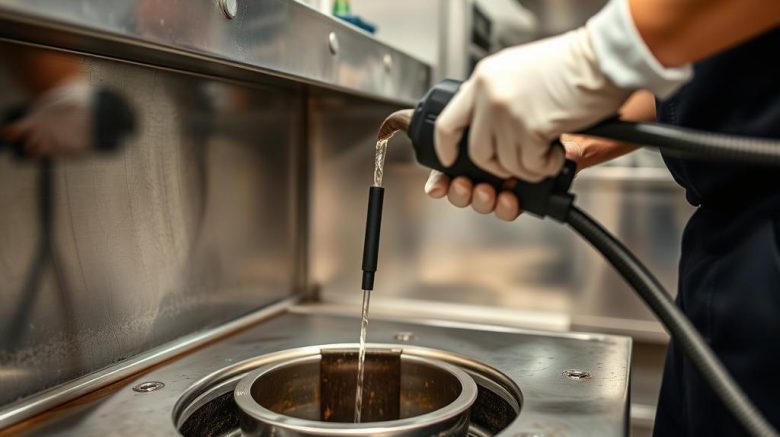
Have you ever considered the role of a basic mechanism in preventing costly plumbing issues? Home grease interceptor maintenance is more than just being tidy; it is a crucial part of preserving your drainage system in good shape. By preventing FOG accumulation from gathering, it helps ensure your home remains a safe and clean environment. Employing seasoned professionals for grease trap maintenance secures proper refuse handling and avoids expensive maintenance later on. This piece will discuss the significance of grease trap upkeep and present essential tips on managing your home’s drainage.
Additional details about grease cleaning and pumping

Reference about grease cleaning and pumping

Supporting information about grease cleaning and pumping
Home grease interceptors are vital for maintaining plumbing networks clean and efficient. They catch cooking oils, fats, and waxes prior to entering the sewage system. This knowledge helps homeowners understand the vital function these systems have in their plumbing.
What Is A Residential Grease Trap?
This plumbing device is a device that traps and isolates grease from water run-off. It is typically installed underneath the sink area or outside the home. These devices stop fat accumulation within the drainage network. Even though they are smaller than industrial versions, they are just as effective in managing household waste.
Preventing Plumbing Failures With Grease Traps
Understanding the function of grease traps is key to averting drainage disasters. They trap fats and oils, minimizing clogs and overflows in sewer pipes. Regular maintenance keeps the system running well, allowing wastewater to pass easily. This basic measure can prevent high-priced maintenance caused by drainage crises.
Understanding The Cleaning Process
Ensuring your interceptor is free of debris is critical to keep pipes working correctly. Knowing the procedures and gear used in cleaning the trap is essential. Being informed allows householders to manage their grease traps effectively.
The Cleaning Process Explained
The cleaning process starts by taking off the cover. This action allows you to reach inside the trap. It is vital to assess the unit for indications of deterioration once the lid is off.
Next, removing the accumulated grease and residue is necessary. Scraping and scooping are efficient ways for this. Lastly, washing the interior surfaces boosts the trap’s efficiency. Routine sanitation is critical for preserving trap health and averting drainage failures.
Tools And Equipment Needed For Effective Cleaning
Using proper gear and implements is key for successful maintenance. Here are the essential items needed:
- Crowbar to open the cover
- Buckets for waste disposal
- Scraping tools for cleaning off residue
- Specialized cleaning agents for scrubbing the interior
- Safety gloves and goggles for safety
Utilizing this equipment ensures a comprehensive cleaning job. If this is your first time, bringing in a pro can enhance results and save time.
Residential Grease Trap Cleaning: Best Practices
Preserving your drainage network in good working order necessitates regular trap upkeep. Sticking to proven methods prolongs the lifespan of your grease trap and prevents expensive fixes. It’s crucial for property owners to comprehend the maintenance frequency and signs of grease trap issues.
Recommended Maintenance Schedule
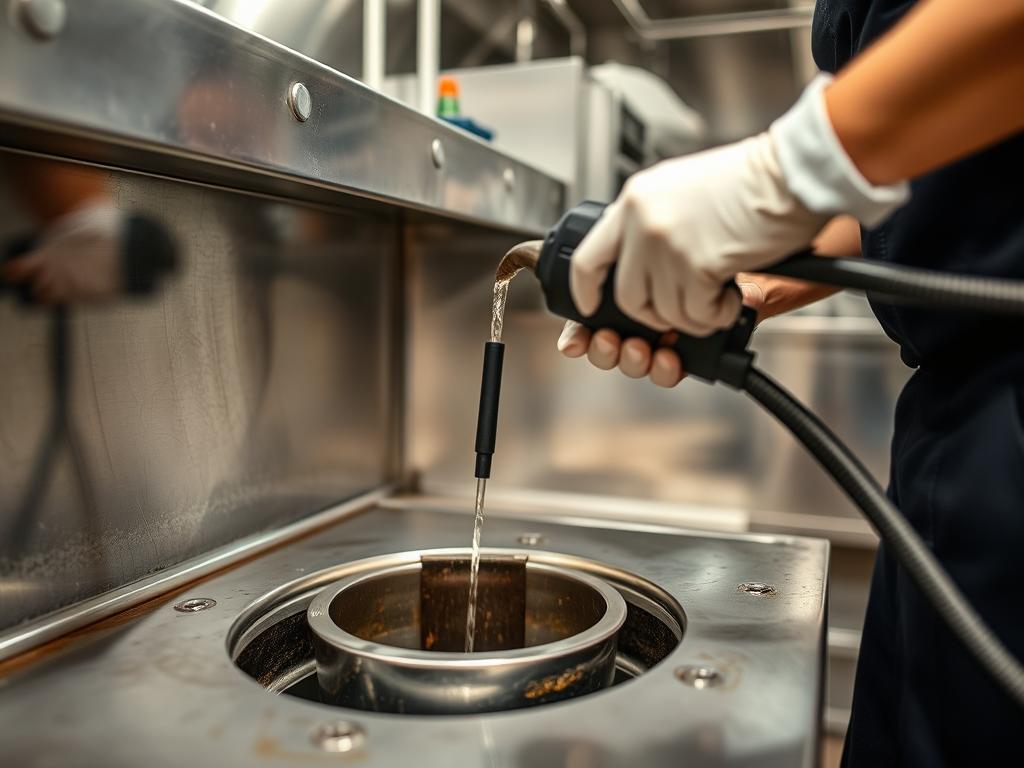
Emptying the trap every three months is recommended to ensure efficiency. Your family size and how often you cook can affect the maintenance intervals. Regular cleaning avoids FOG collection, making sure the device operates correctly and sidesteps future plumbing problems.
Indicators Of A Full Grease Trap
Residents need to look out for signs that indicate trap failure. Frequent symptoms involve:
- Unpleasant odors coming from the sink.
- Sluggish water flow throughout the house.
- Fat accumulation around the drain area.
Acting on these warnings immediately by performing maintenance can cut expenses and avoid major drainage failures. Periodic assessments make certain your interceptor stays in top condition for the long term.
Why Consistent Maintenance Matters
Numerous residents overlook the value of maintaining residential grease traps. Consistent upkeep maintains system flow and is crucial for the longevity of pipes. It promotes maximum efficiency and boosts the functionality of the kitchen plumbing.
Preventing Sanitary Sewer Overflow
One key benefit of regular trap care is preventing drainage backups. The collection of fats and solids in neglected traps can cause blockages, stopping drainage. Routine emptying and checks lower the chance of clogs. A cared-for trap prevents expensive sewage cleanup and health dangers from overflows.
Improving Drainage System Efficiency
Consistent cleaning of interceptors significantly enhances water flow. A well-maintained unit ensures uninterrupted flow, lowering the chance of blockages. This efficiency aids an efficient drainage setup. Homeowners see fewer plumbing problems and reduce spending on long-term drainage management costs.
| Maintenance Aspect | Positive Outcomes |
|---|---|
| Regular Cleaning | Averts drainage failures |
| Check-up | Detects trouble sooner |
| Improved Performance | Increases system speed |
| Money Saving | Reduces repair and emergency service expenses |
Hiring Professional Grease Trap Cleaners
Even though many people opt for DIY cleaning, some tasks demand expert assistance. Specialists in trap maintenance provide comprehensive and secure service. They use advanced tools not available to most individuals. Knowing when to call professionals can preserve your schedule and stop plumbing issues later.
Why Expert Help Is Needed
Signs indicate it is the moment for professional service. Spills, foul odors, and slow drainage imply the system is failing. Hiring a service not only fixes these problems but also guarantees the trap works well.
What To Expect From Your Grease Trap Service Provider
Look forward to a detailed assessment from the cleaning company. They will perform timely inspections, execute deep cleaning, and discard the FOG safely. Moreover, they’ll offer advice on proper trap care. This helps you manage upkeep to prevent upcoming problems.
******************************************************
Online resource about grease cleaning and pumping

Online resource about grease cleaning and pumping

Reference about grease cleaning and pumping
Related: Streamlining Your Business with Grease Trap Cleaning in Bellflower